Research
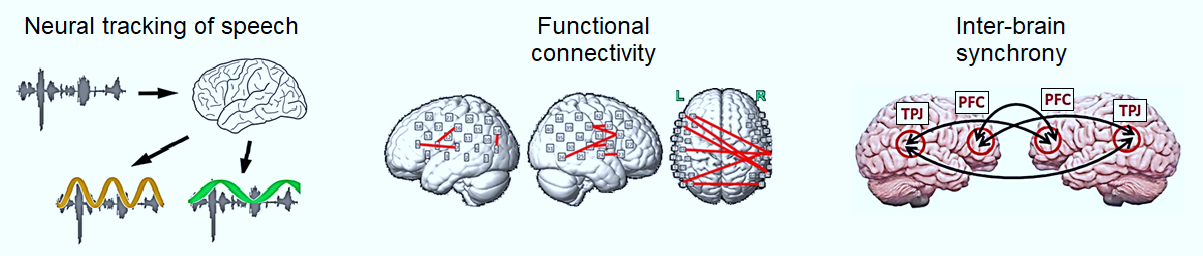
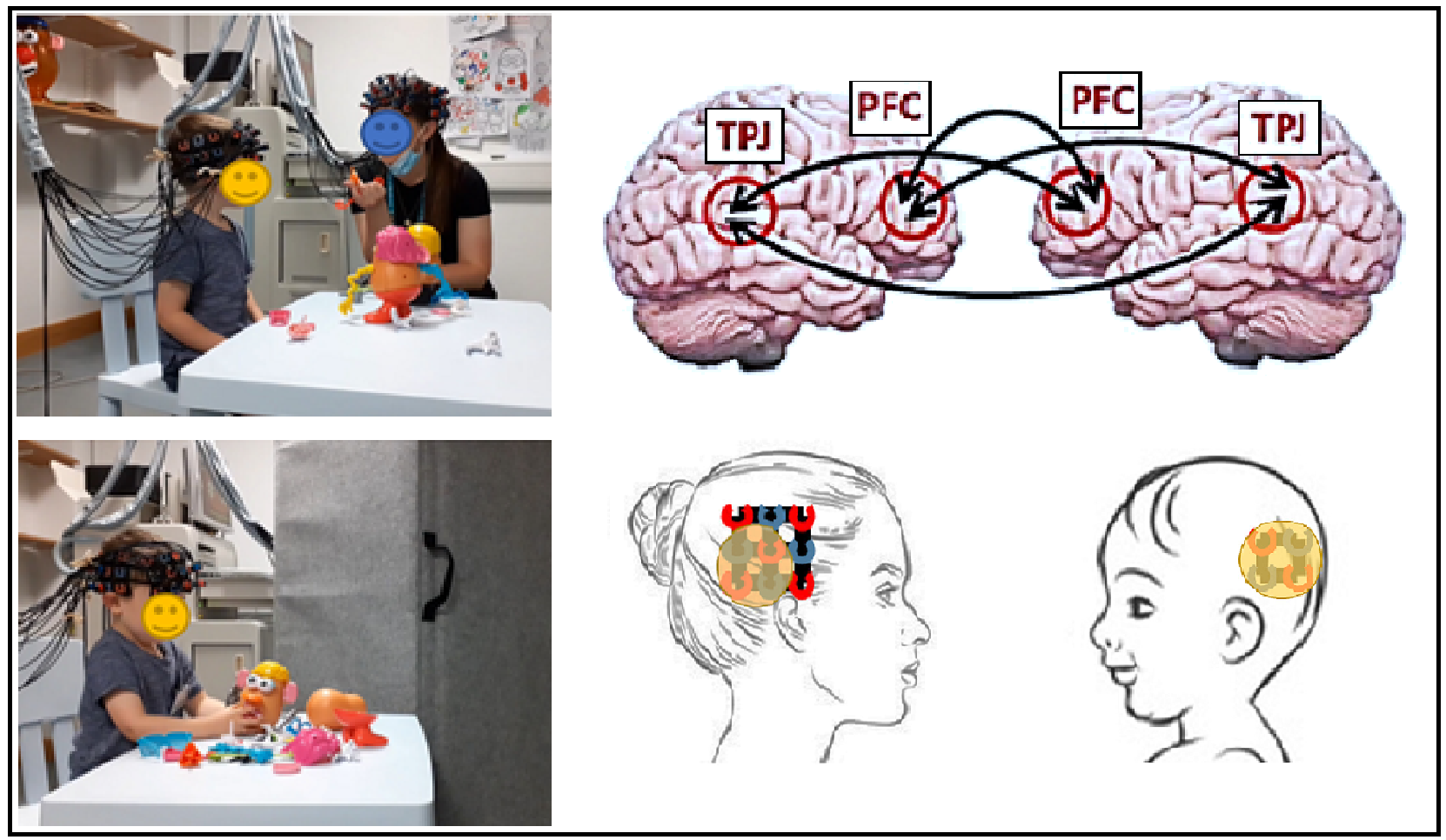
My interests focus on three brain processes as lenses to understand typical and atypical human speech processing: (1) ‘neural tracking’ (how brain signals align and respond to millisecond-scale acoustic and linguistic features) of continuous speech; (2) functional connectivity between cortical (sensory and higher-order cognitive and language-related) regions; and (3) inter-brain synchrony (brain-to-brain ‘communication’) during interpersonal interactions. I am keen to understand how these processes are shaped/altered by sensory auditory or higher-level cognitive and language comprehension disorders, and what roles they may play when the brain reorganises to compensate for these disorders. I am also keen to understand whether and how neural tracking may causally be related to (i.e., consequentially modulate, rather than be a by-product of) speech comprehension in clinical individuals. I combine neuroimaging methods of electroencephalography (EEG) (measuring neural tracking) and functional near infrared spectroscopy (fNIRS) (measuring functional connectivity and inter-brain synchrony).
I am parts of ongoing projects that look into these processes in aphasic or cochlear implanted individuals:
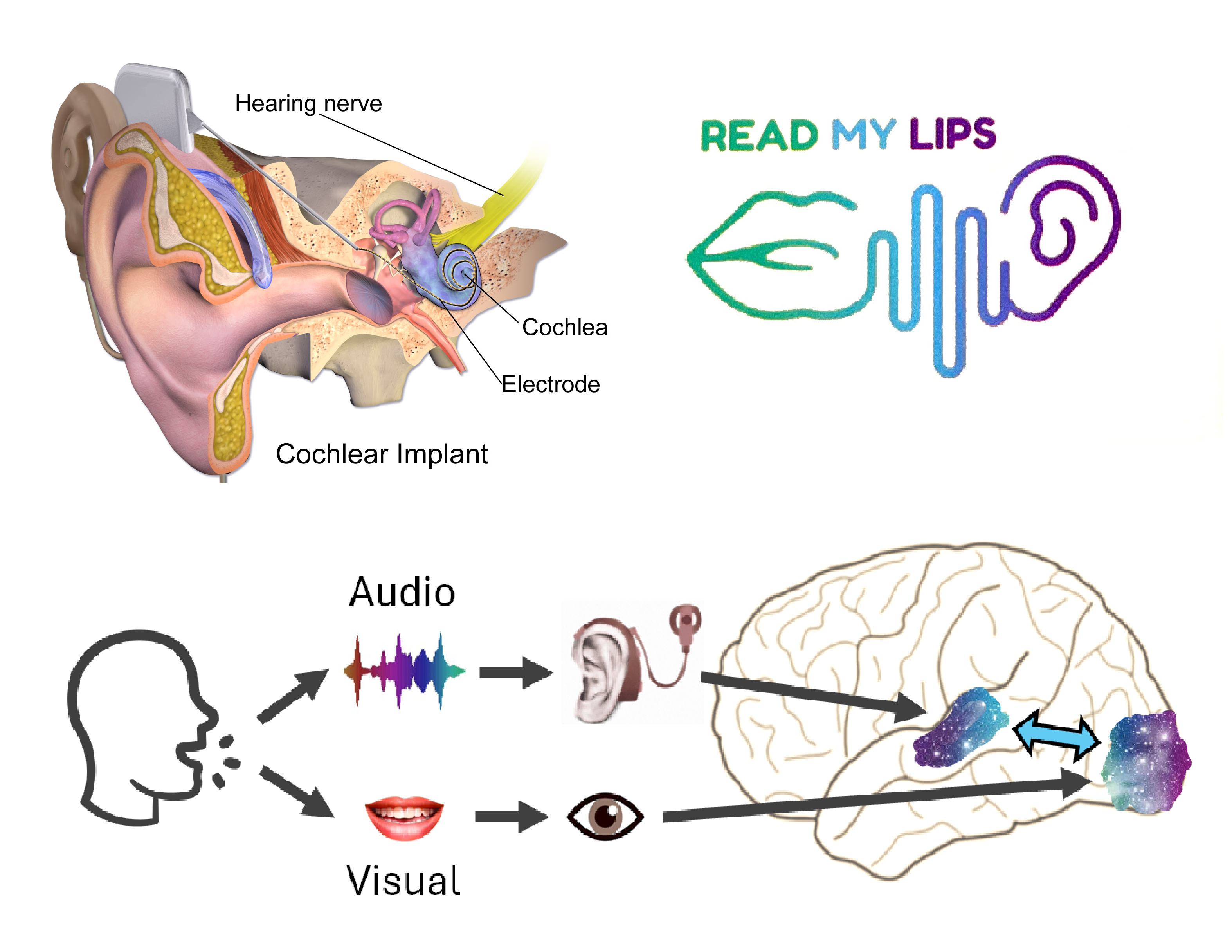
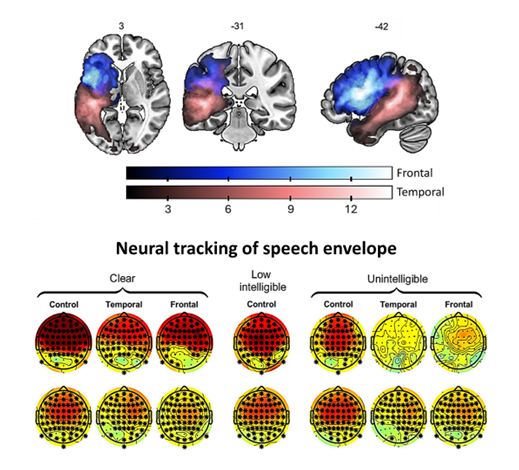
Previously, I did studies that explore neural speech tracking and/or plastic changes in speech-based brain functions in typical listening and age-related hearing loss:
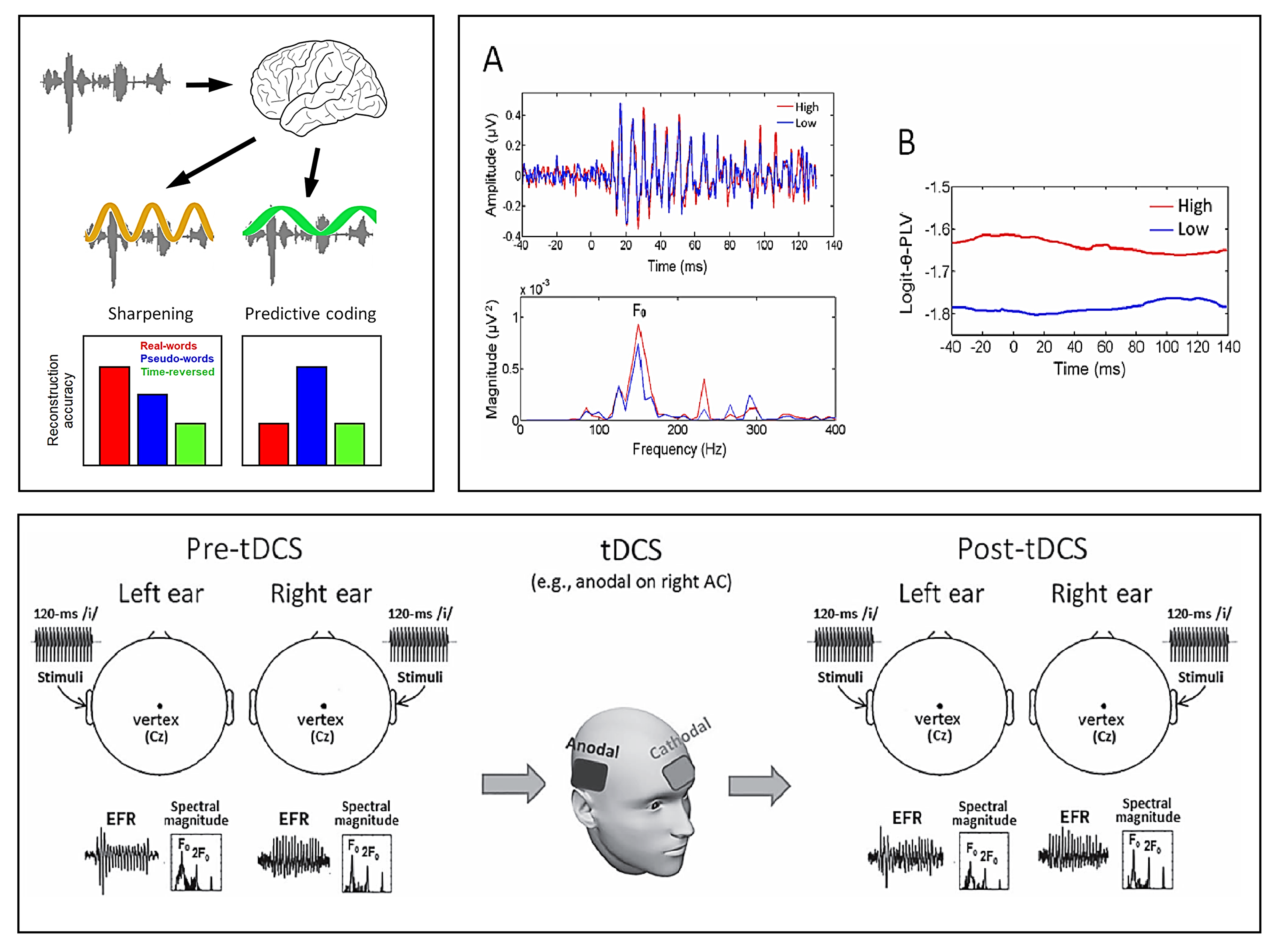
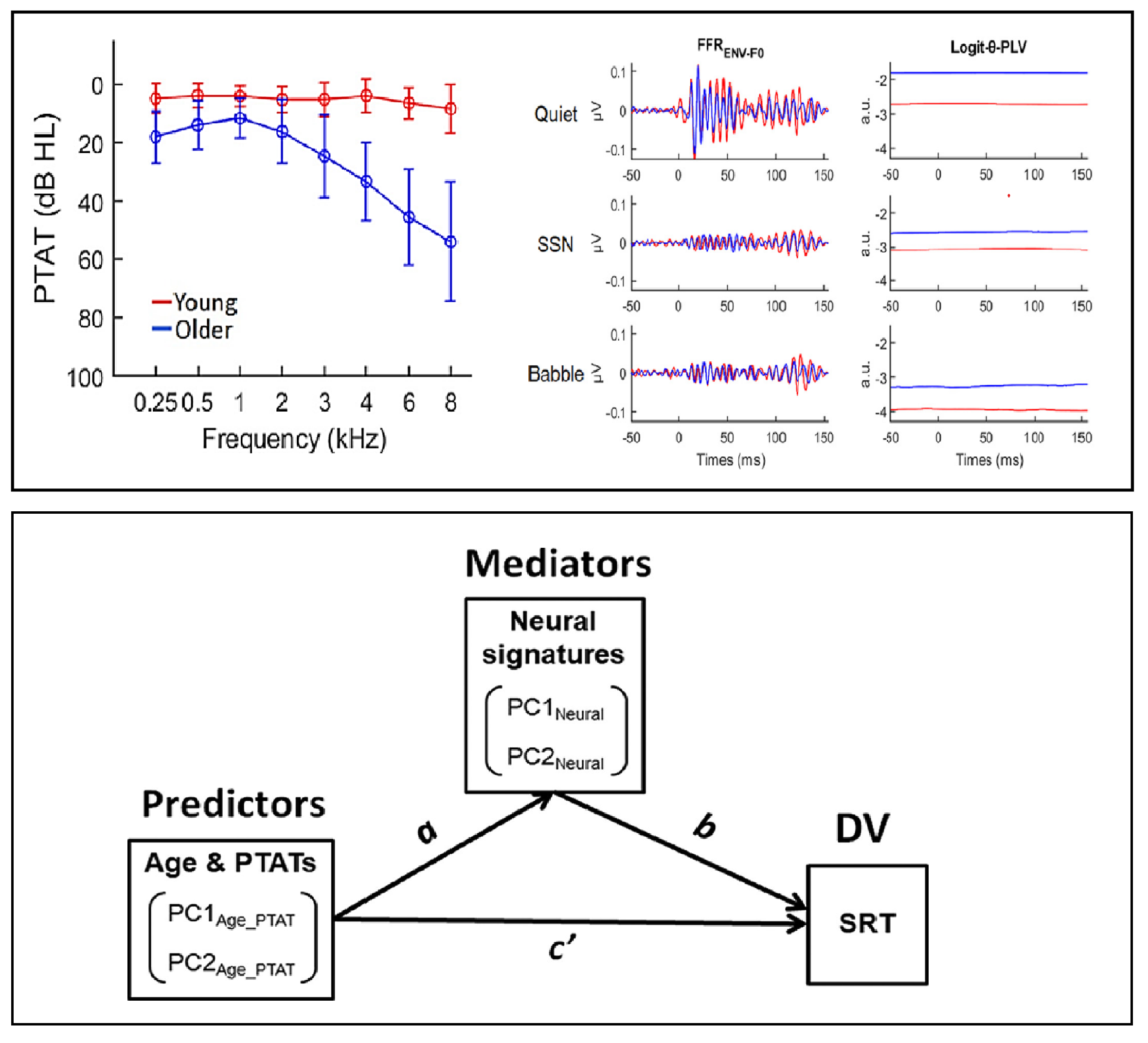
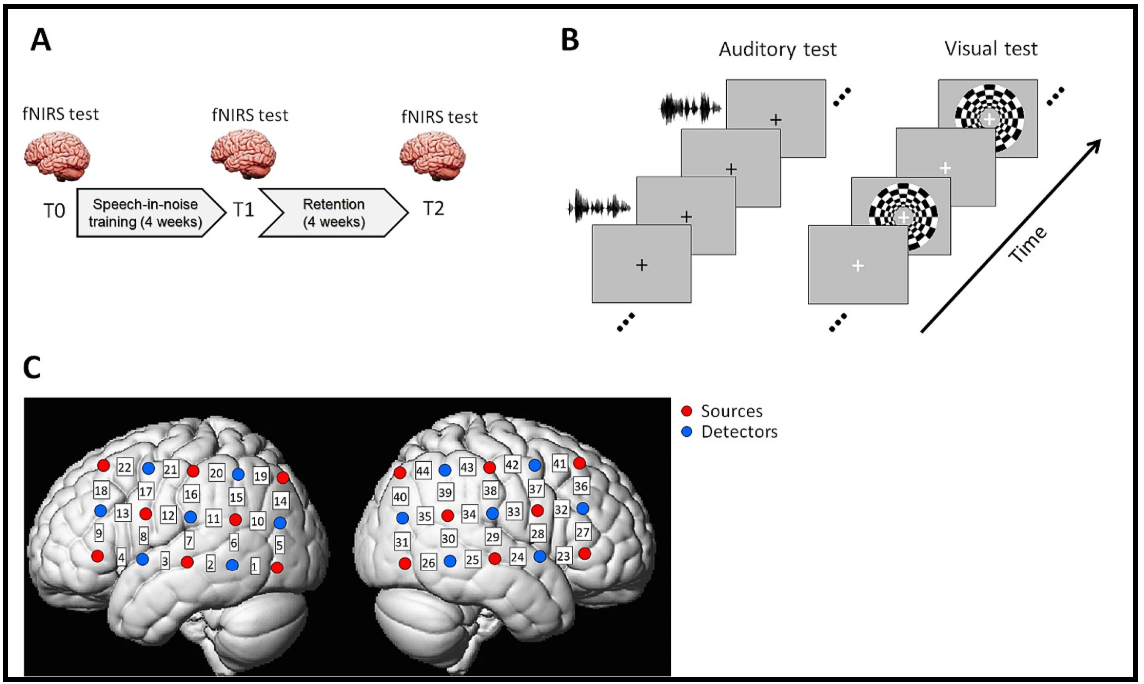
Hopefully these pieces of work could advance understanding of brain processing of speech and also contribute to developing useful clinical tools for objectively monitoring speech comprehension outcomes, esp when reliable behavioural measures are not easy to obtain in many clinical individuals; for the long term, contribute to bases for neuroscience-inspired rehabilitation to support - not limited to hearing loss or aphasia but wider - neuropsychological conditions (e.g., neurodivergence, neurodegeneration) when day-to-day speech comprehension and communication become challenging.